
Rent is due. The grocery bill is higher than it was last month. Gas, utilities, a credit card payment, and a phone bill all seem to land in the same week. If that sounds familiar, you are not alone, and you are not lazy. For a lot of American households, one paycheck simply does not stretch the way it used to.
That is exactly why side income has become part of everyday life in the United States. A side hustle is not about quitting your job or chasing some overnight success story. It is about using a few hours you already have, plus skills and things you already own, to bring in extra money on a schedule that fits your real life.
This guide walks you through practical, legitimate side hustles you can start this week. No hype, no unrealistic promises, and no ideas that require a huge upfront investment. Just clear options, how each one works, who it suits best, and a simple seven-day plan to get your first one moving.
What Is Side Income, and Why Do So Many People Need It?
Side income is any money you earn outside your main job. It might come from delivering food a few evenings a week, selling clothes you no longer wear, walking dogs in your neighborhood, or doing small freelance projects online. The key point is flexibility. You choose when to work, how much to take on, and when to pause.
The paycheck problem
Prices for everyday essentials have risen, but many salaries have not kept the same pace. When rent, groceries, and bills take most of a paycheck, there is very little left for savings, emergencies, or anything enjoyable. Even a modest second stream of income can change that picture. It can help you cover one specific bill, build a small emergency fund, pay down a balance faster, or simply stop feeling squeezed at the end of every month.
A side hustle is not a second job
A traditional second job usually means fixed shifts, a manager, and a set number of hours whether you have the energy for them or not. A good side hustle works the other way around. You turn it on when you have time and turn it off when life gets busy. That control is what makes it sustainable for students, parents, full-time workers, and anyone in between.
How to Choose the Right Side Hustle for You
The best side hustle is not the trendiest one. It is the one that matches your time, your skills, your location, and what you already own. Before you sign up for anything, run through these four questions.
1. How much time do you honestly have?
Be realistic. Two focused hours twice a week will beat a big plan you abandon by Friday. If your evenings are free, delivery or local tasks may fit well. If your time is unpredictable, selling items online or freelance work with flexible deadlines may suit you better.
2. What do you already have?
A car opens up delivery work. A smartphone and a tidy corner at home are enough to start selling online. A laptop and a skill like writing, design, or data entry can lead to freelance work. Starting with what you own keeps your costs low and your start date close.
3. Do you prefer people, pets, or working alone?
Some people love being out and about. Others want quiet work from home. Animal lovers can turn that into genuine paid work through pet care platforms. Your personality matters, because you are far more likely to stick with something you do not dread.
4. How quickly do you need results?
Selling things you already own is usually the fastest way to start, because there is no application process. Delivery and task platforms often require sign-up, identity checks, and sometimes a waitlist. Freelancing can take a little longer to land a first client, but it can grow steadily over time. Many people combine one fast option with one longer-term option.
The Best Side Hustles You Can Start This Week
Below are proven categories used by people across the USA. Every platform named here is a real, established service. Earnings vary by city, demand, hours, and experience, so treat each idea as a practical option to test, not a guarantee.
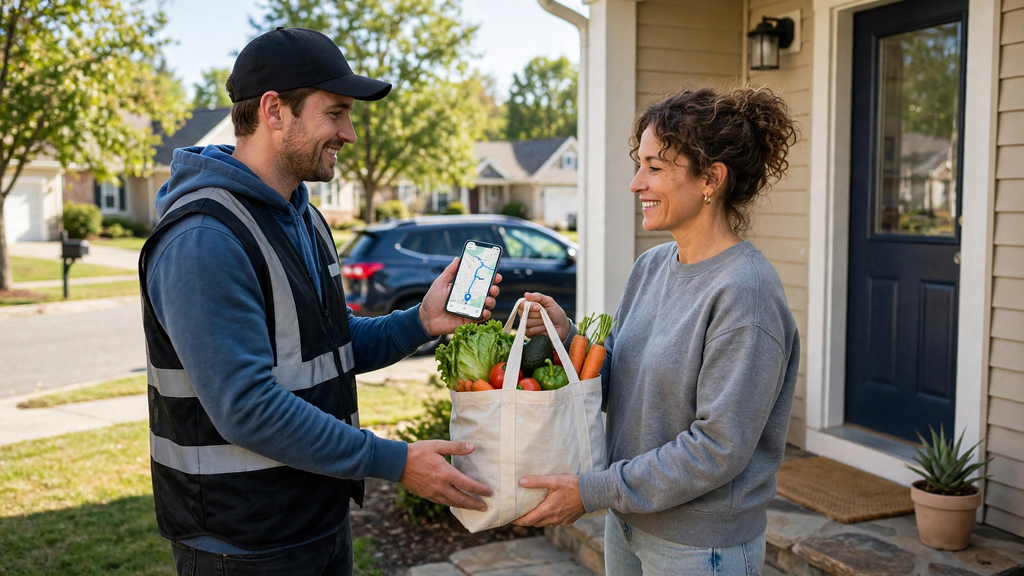
Hustle 1: Food delivery with DoorDash
Food delivery is one of the most familiar ways to make money on the side. With an app like DoorDash, you pick up orders from restaurants and deliver them to customers, choosing the hours you want to work in most areas.
Good fit if: you have a car, bike, or scooter depending on your market, you know your local area, and you prefer working independently.
Getting started tip: Begin with busy meal periods in your area, learn which zones and times have steady demand, and track your fuel and mileage so you understand your real costs.
Hustle 2: Grocery shopping and delivery with Instacart
Instacart shoppers shop for other people’s groceries and deliver them. If you are already good at moving through a supermarket quickly and choosing fresh produce, this is a natural fit.
Good fit if: you enjoy shopping, you are organized, and you can lift grocery bags.
Getting started tip: Accuracy matters. Careful item selection and friendly communication with customers are what turn a one-time order into good ratings and repeat opportunities.
Hustle 3: Flexible delivery blocks and local deliveries
Services such as Amazon Flex let approved drivers deliver packages in scheduled blocks, while Roadie connects drivers with local and longer-distance deliveries of items that need to travel across town or further.
Good fit if: you have a reliable vehicle, free blocks of time, and you like driving.
Getting started tip: Factor in distance honestly. A delivery is only worthwhile when the time, fuel, and wear on your vehicle make sense for you.
Hustle 4: Sell what you already own on Facebook Marketplace
Before spending money on any new idea, look around your home. Furniture you no longer use, electronics, tools, baby items, sports gear, and collectibles can all be listed on Facebook Marketplace for local buyers.
Good fit if: you want a fast, simple start with no application process.
Getting started tip: Take clear photos in natural light, write an honest description with measurements, and meet buyers in a safe, public place during the day where possible.

Hustle 5: Resell clothing and accessories on Poshmark and Mercari
Poshmark is popular for clothing, shoes, and accessories, while Mercari covers a wider mix of items. Reselling works in two ways: clearing out your own closet first, then, if you enjoy it, carefully sourcing popular items to sell on.
Good fit if: you like fashion, photography, and the routine of listing, packing, and shipping.
Getting started tip: Start with your own wardrobe. It costs nothing, teaches you how each platform works, and shows you what buyers actually respond to.
Hustle 6: Pet sitting and dog walking with Rover and Wag
Millions of American pet owners need reliable help when they work long days or travel. Rover connects pet owners with sitters and walkers, and Wag is known for dog walking services.
Good fit if: you genuinely enjoy animals and can be dependable about feeding, walks, and updates to owners.
Getting started tip: A clear profile, good photos, and prompt replies help you win early bookings. Small details, like sending the owner a photo from a walk, build trust quickly.
Hustle 7: Local tasks and handyman help with TaskRabbit
TaskRabbit connects people who need help with furniture assembly, moving, mounting, cleaning, yard work, and small home tasks with local helpers who have those skills.
Good fit if: you are handy, punctual, and comfortable going to customers’ homes for booked jobs.
Getting started tip: Start with tasks you can do confidently and well. Strong early reviews are far more valuable than taking on everything at once.

Hustle 8: Freelance your skills on Upwork and Fiverr
Writing, graphic design, video editing, social media help, virtual assistance, spreadsheets, and website support are all services businesses buy from freelancers on Upwork and Fiverr. This is also where the skills from your day job can quietly become a second income stream.
Good fit if: you have a marketable skill, a laptop, and patience to build a profile that grows over time.
Getting started tip: Offer one clear, specific service instead of a long general list. A focused offer is easier for a first client to say yes to.
Hustle 9: The one most people overlook — helping your own neighborhood
Here is the curiosity item many of our videos mention, and it is hiding in plain sight. Neighbors regularly need help with lawn care, snow clearing in colder states, garage cleanouts, moving boxes, watering plants, and checking on homes while they travel. Many people still find this work the old-fashioned way: a polite introduction, a local community group post, or a simple flyer in the neighborhood.
It will not suit everyone, and you should agree on the task and payment clearly before you start. But it needs no app, no waitlist, and no special equipment beyond what many homes already have. Sometimes the most practical side hustle starts on your own street.
Your Simple Seven-Day Start Plan
Reading about side hustles does not change anything. Doing one small step a day does.
Day 1: Pick one main hustle using the four questions above. Write down your reason, for example covering the grocery bill or building an emergency cushion.
Day 2: Set up your account or listing space. Complete your profile fully and add a clear photo where the platform asks for one.
Day 3: Prepare your basics: vehicle documents for delivery work, a clean photo corner for selling, or a simple service description for freelancing.
Day 4: Take your first real action. Publish your first listings, apply for your first tasks, or complete your first delivery shift.
Day 5: Review what happened. What was easy, what was slow, and what would you do differently?
Day 6: Improve one thing, such as better photos, a clearer description, or a better time slot.
Day 7: Decide your weekly rhythm. Choose the days and hours you can repeat without burning out.
Money Basics Every Side Hustler in the USA Should Know
Track everything from day one
Keep a simple record of what you earned, what you spent, and, for driving work, your mileage. A notebook or spreadsheet is enough to start. Good records make decisions easier and tax time far less stressful.
Set money aside for taxes
Side income is generally taxable, and many platform workers are treated as independent contractors rather than employees. Rules vary by situation, so set a portion of what you earn aside as you go and consider speaking with a qualified tax professional for advice about your own circumstances.
Watch your real costs
Fuel, phone data, packaging, platform fees, and your time are all real costs. A side hustle should leave you better off after those costs, not just busy. Review your numbers every few weeks and adjust.
Stay safe
Use each platform’s official app and payment system, avoid arrangements that ask you to move communication or payment off-platform in risky ways, and for local sales, prefer public meeting places. Trust your instincts with any job or buyer.
Common Mistakes to Avoid
The first is trying five hustles at once and mastering none of them. Pick one, learn it, then add another only if you have time. The second is quitting after a slow first week. Almost every platform has a learning curve while you find the right hours, listings, or clients. The third is ignoring costs and burning out by saying yes to everything. A side hustle should support your life, not consume it. Finally, avoid any scheme that asks for a large upfront payment or promises fast, guaranteed income. Legitimate work is clear about what you do and how you get paid.
Final Word: Start Small, Start This Week
You do not need a second job, a big budget, or a perfect plan. You need one practical idea, a few hours, and a willingness to learn as you go. Pick the hustle from this guide that fits your life today, take the first step this week, and give it a fair test before you judge it.
Side income grows the same way most good things do: one listing, one delivery, one happy customer, and one week at a time. Your first step is simply to begin.
